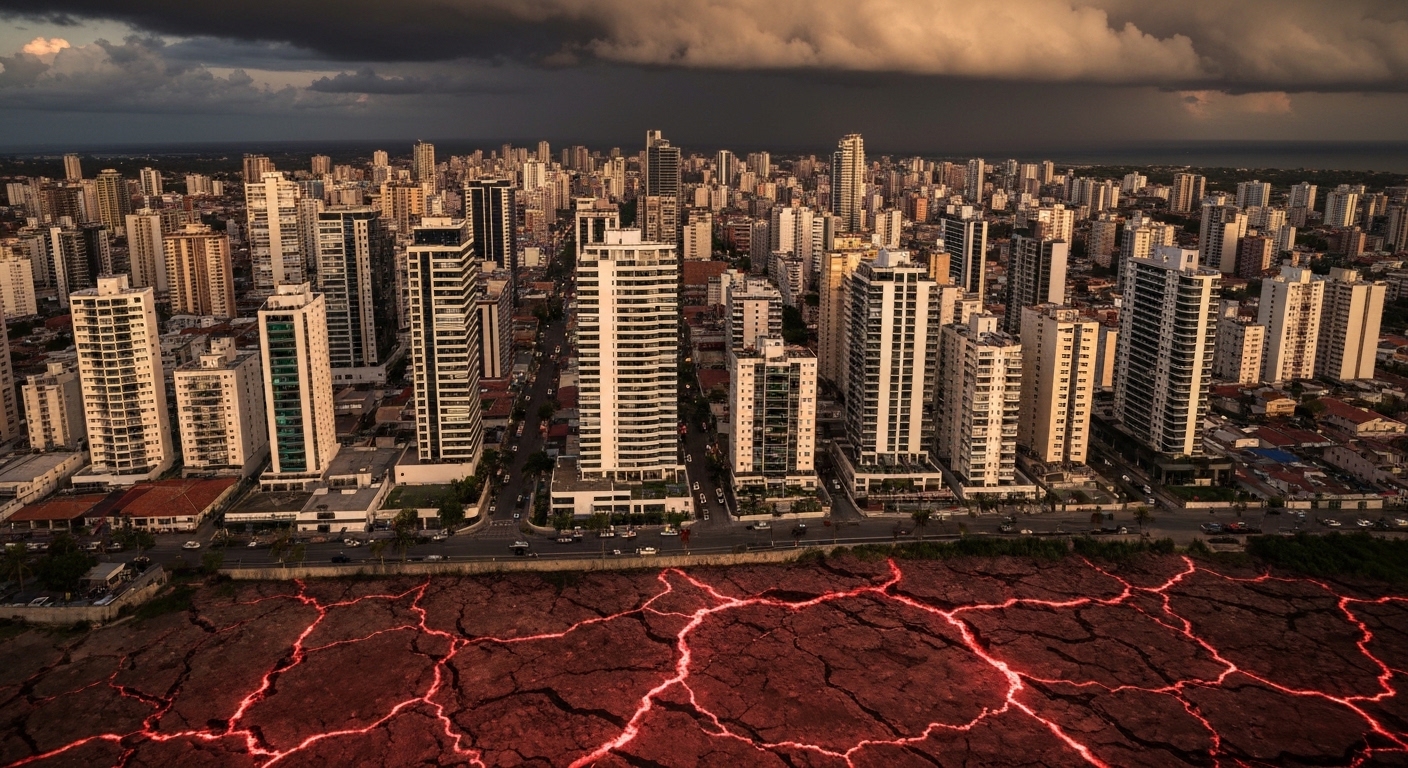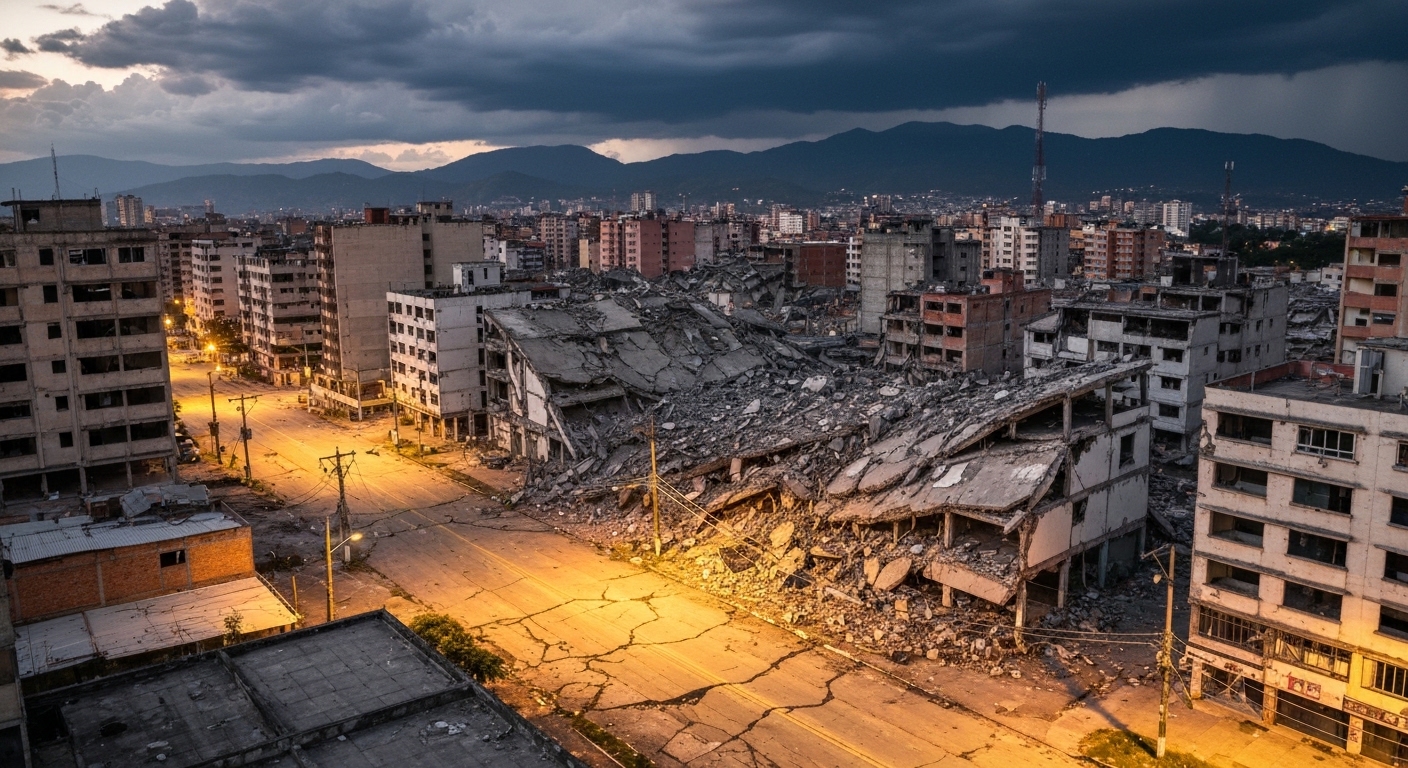
When an earthquake strikes a wealthy country with solid infrastructure, you get cracked roads, broken windows, and a news cycle that lasts three days. When the same earthquake strikes Venezuela — a country whose economy has reportedly contracted severely over the past decade — you get collapsed hospitals, rescue teams without equipment, and a humanitarian crisis layered on top of an existing humanitarian crisis. Economic collapse combined with seismic activity creates a compounding catastrophe where natural disasters become exponentially more destructive than they would be in countries with functioning infrastructure and emergency response systems.
Why Venezuela Was Already on the Edge
Before any major natural disaster, Venezuela was already facing severe economic challenges. This nation holds the world's largest proven oil reserves — roughly 303 billion barrels according to OPEC figures — and yet experienced significant economic deterioration throughout the 2010s. According to various reports, Venezuela's GDP contracted by an estimated 75–80% between 2013 and 2021, representing a severe peacetime economic collapse. For context, the United States lost approximately 30% of its GDP during the Great Depression, making Venezuela's reported economic contraction substantially more severe in peacetime conditions.
Hyperinflation was a visible symptom of Venezuela's economic crisis. At its peak in 2018, Venezuela reportedly experienced extreme annual inflation rates — figures cited in some reports at 1,700,000%, though exact measurements vary by source. Prices rose dramatically and frequently. Salaries lost purchasing power rapidly. The bolivar, the national currency, underwent multiple redenominations, including the introduction of a digital currency in 2021. Ordinary Venezuelans increasingly relied on alternative currencies, including dollars in informal markets, while official economic measures faced credibility challenges.
This economic deterioration produced the systematic degradation of essential systems. Hospitals faced shortages of basic medicines and medical supplies. Power outages became frequent — in 2019, a widespread blackout left much
of the country without electricity for extended periods. Water systems deteriorated. Infrastructure maintenance declined significantly. Buildings requiring repairs often did not receive them due to lack of state capacity. entities responsible for maintenance had no budget, no staff, or both. This infrastructure deterioration is precisely why the Venezuela earthquake economic crisis creates such devastating consequences when seismic events occur. And then, into this environment of institutionalized neglect, the earth decides to move.Venezuela's Seismic Reality: The Ground Was Never That Stable Either
Venezuela occupies a geologically active corner of South America. The country sits near the boundary between the Caribbean tectonic plate and the South American plate — a collision zone that has produced significant earthquakes throughout recorded history. The 1812 Caracas earthquake, estimated at magnitude 7.7, killed tens of thousands and effectively flattened the capital. The 1967 Caracas earthquake, a magnitude 6.5 event, killed 236 people and caused massive structural damage. Seismic activity in this region is not a rare exception — it is a recurring geological reality that compounds the ongoing Venezuela earthquake economic crisis.