Understanding DNA: The Building Blocks of Life
DNA Explained Simply
🔍 What is DNA?
DNA is a molecule that carries the genetic instructions used in the growth, development, functioning, and reproduction of all known living organisms.
⚙️ How DNA Works
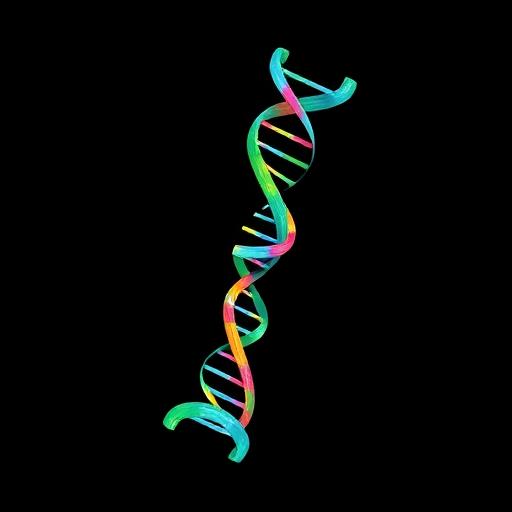
DNA is made up of nucleotides arranged in a double helix structure. It stores genetic information in the form of a code made up of four chemical bases: adenine (A), thymine (T), cytosine (C), and guanine (G).
🌍 Why DNA Matters
DNA is essential for the inheritance of traits from one generation to the next. It plays a crucial role in determining an organism's characteristics, such as eye color, height, and susceptibility to certain diseases.
🧠 Real-World Example
An example of DNA in action is how it determines whether a person has attached or detached earlobes. This trait is inherited from parents through their DNA.
💡 Fun Fact or Analogy
Did you know that if you were to unravel all the DNA in your body, it would stretch from the Earth to the Sun and back multiple times? That's how much genetic information is packed into each cell!
🤔 What You Might Want to Learn Next
How does DNA replication work? What is the role of DNA in genetic disorders? Can DNA be modified? How does DNA testing work? What are the ethical implications of DNA technology?
Frequently Asked Questions
DNA is a molecule that carries genetic instructions for living organisms.
DNA stores genetic information using four chemical bases in a double helix structure.
DNA is crucial for inheritance and determining an organism's traits.
DNA determines traits like earlobe attachment through inheritance.
Unraveling all DNA in your body would stretch from Earth to the Sun multiple times.